
YouTube Terminates Major ASMR Channels Over Its Sexual Content Linking Policy
A wave of terminations swept through popular ASMR channels this week, and YouTube says a years old external link rule, not a new crackdown, is behind it.
Several of YouTube's most established ASMR creators lost their channels without warning in the final days of July 2026. ItsBunniiASMR, Slight Sounds, Nananightray, Roseasmr, Simoneasmr, and Janina Wilhelmsen are among the confirmed names, according to reporting from 404 Media that first surfaced the wave of terminations. Some of these channels had been posting ASMR content since as far back as 2013, building years of archives and, for several creators, a primary source of income.
What YouTube says happened
YouTube's explanation, given directly to 404 Media, is narrower than a blanket ASMR crackdown. According to the platform, the channels were removed for linking out to content that violates its nudity and sexual content policy, not for the ASMR videos hosted on YouTube itself. YouTube told the outlet its external link rules apply equally across all creators and that this round of enforcement follows long standing policy rather than a new rule or a targeted move against ASMR as a genre. The termination notices creators received cited severe or repeated violations of YouTube's sex and nudity policy as the reason their channels were removed entirely, not demonetized or restricted.
The policy behind the wave
YouTube's rules on ASMR are not new. The platform formally banned content meant to be sexually gratifying in nature in 2019, and said in 2022 that it had strengthened enforcement specifically to catch sexually gratifying ASMR. What changed this time, based on YouTube's own framing, is not the ASMR policy itself but enforcement of the separate external link policy, which prohibits links that send viewers to content violating Community Guidelines elsewhere, with exceptions carved out for educational, documentary, scientific, or artistic material. Multiple reports point to links toward explicit content on subscription platforms as the specific trigger, though YouTube's public statement did not name those platforms directly.
Who was affected
- ItsBunniiASMR, reported by Tubefilter to have roughly 230,000 subscribers
- Slight Sounds, an ASMR channel active since 2013
- Nananightray
- Roseasmr
- Simoneasmr
- Janina Wilhelmsen
Appeals filed by affected creators have not succeeded in restoring the channels so far, based on creator accounts gathered by 404 Media.
Creators are pushing back on the framing
Several of the banned creators dispute that their YouTube content itself crossed a line. One affected creator told 404 Media the ban felt like YouTube siding with people sexualizing ASMR from outside the community, rather than protecting the genre from that sexualization. Creators have also pointed out that ASMR is widely used as a coping tool for insomnia, anxiety, PTSD, and depression, and argue that losing a channel entirely, with no warning and an unsuccessful appeal, is a disproportionate response to an external link.
“YouTube didn't rewrite the rules on ASMR this week. It just started enforcing the same external link policy against a genre that had learned to build around it.”
— YouTubeSkool Creator Economy Desk
What ASMR creators should check now
- Review every external link across video descriptions, channel about pages, community posts, and linked social profiles for destinations that host sexual content, including subscription platforms.
- Remember the exceptions: links to otherwise restricted material can be allowed if the linking content itself is clearly educational, documentary, scientific, or artistic in nature.
- Understand that ASMR as a category is not banned. Enforcement targets sexually gratifying content and links to prohibited material, not whispering, tapping, or roleplay content on their own.
- Keep records of any appeal correspondence. Creators in this wave report appeals have not worked so far, but a documented paper trail still matters if policy or enforcement shifts later.
This wave of terminations is a reminder that YouTube's enforcement can reach beyond the video itself, into every link a channel points to. For a genre already carrying years of goodwill and growth, that distinction between what is on the platform and what a channel merely links to is now a real business risk, not just a technicality.
Frequently asked questions
What happened to ASMR channels on YouTube in 2026?+
In the final days of July 2026, YouTube terminated several established ASMR channels, including ItsBunniiASMR, Slight Sounds, Nananightray, Roseasmr, Simoneasmr, and Janina Wilhelmsen, citing violations of its external link policy tied to content on other platforms.
Why did YouTube terminate these ASMR channels?+
YouTube says the channels linked to content on other platforms that violates its nudity and sexual content policy. The platform describes this as enforcement of its existing external link rules, not a new policy or a targeted move against ASMR content.
Is ASMR banned on YouTube?+
No. ASMR remains allowed on YouTube. YouTube has banned sexually gratifying ASMR content since 2019, and this wave of terminations was tied to external links rather than a new restriction on the ASMR category itself.
What is YouTube's external link policy?+
YouTube prohibits links that send viewers to content violating its Community Guidelines elsewhere, such as sexual content on other platforms, with exceptions for links where the linking content is clearly educational, documentary, scientific, or artistic.
Get the editing behind every winning video
Free 60-second channel audit, then get your content edited in your chosen style. Trusted by creators who treat YouTube like a business.
Related stories
 Monetization
YouTube's Monetization Rules Now Draw the Line on AI Slop
YouTube clarified its Partner Program guidelines on July 16, 2026, spelling out three categories of inauthentic content ineligible for monetization, from template-based videos to AI personas discussing health and finance.
 Industry
The FTC Is Reportedly Preparing a Complaint Over YouTube's Moderation Policies
Bloomberg reports the FTC is nearing a formal complaint against YouTube, alleging the platform told creators one set of content rules while enforcing a stricter, undisclosed standard behind the scenes.
 Creator News
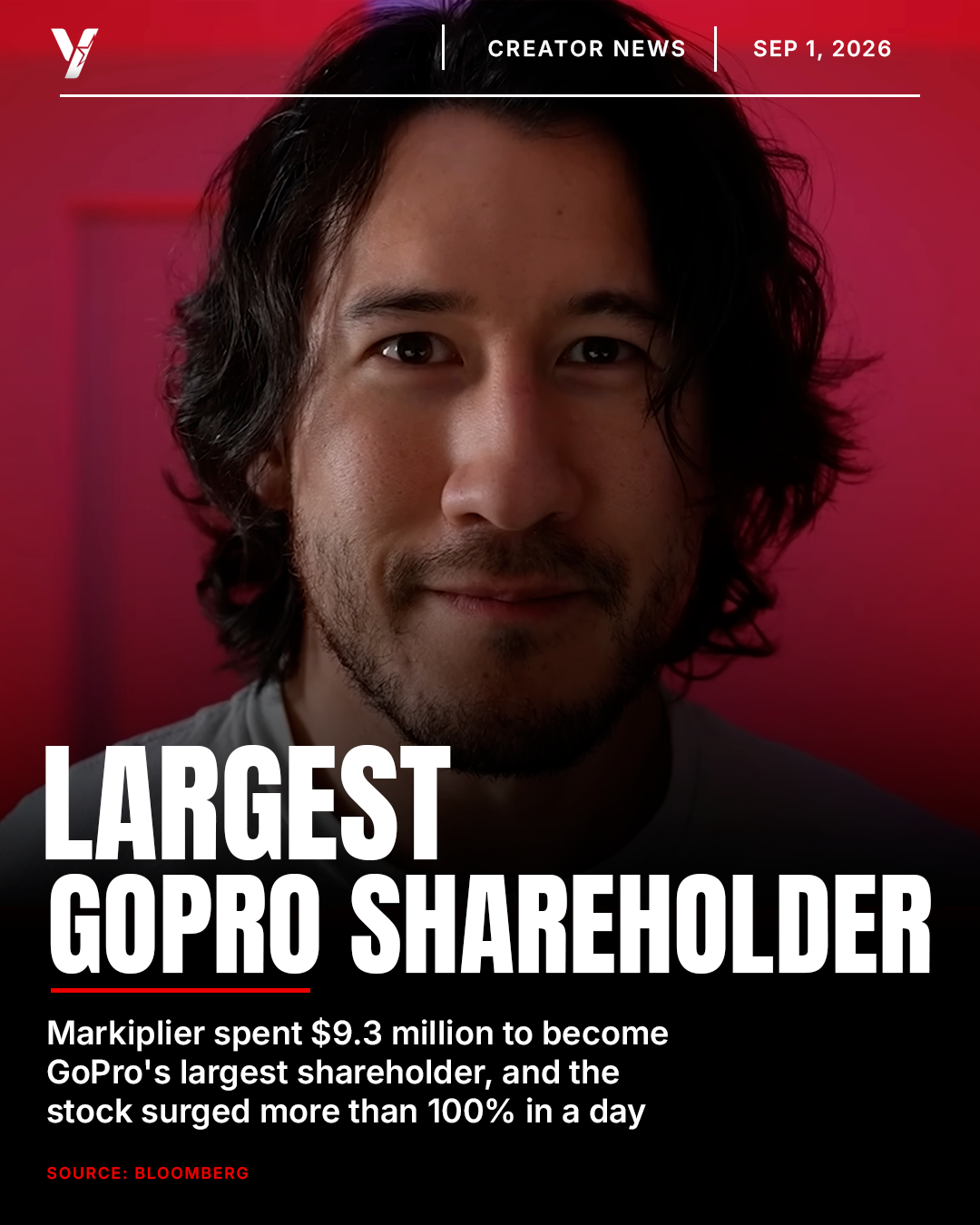
Markiplier Becomes GoPro's Largest Shareholder
Markiplier spent about $9.3 million to become GoPro's largest shareholder, and the stock surged more than 100 percent in a day. Here's what happened and what it means for creators.