
YouTube's Monetization Rules Now Draw the Line on AI Slop
The Partner Program now has three named categories of "inauthentic content" that lose ad eligibility, and they read like a rulebook for the channels YouTube just purged.
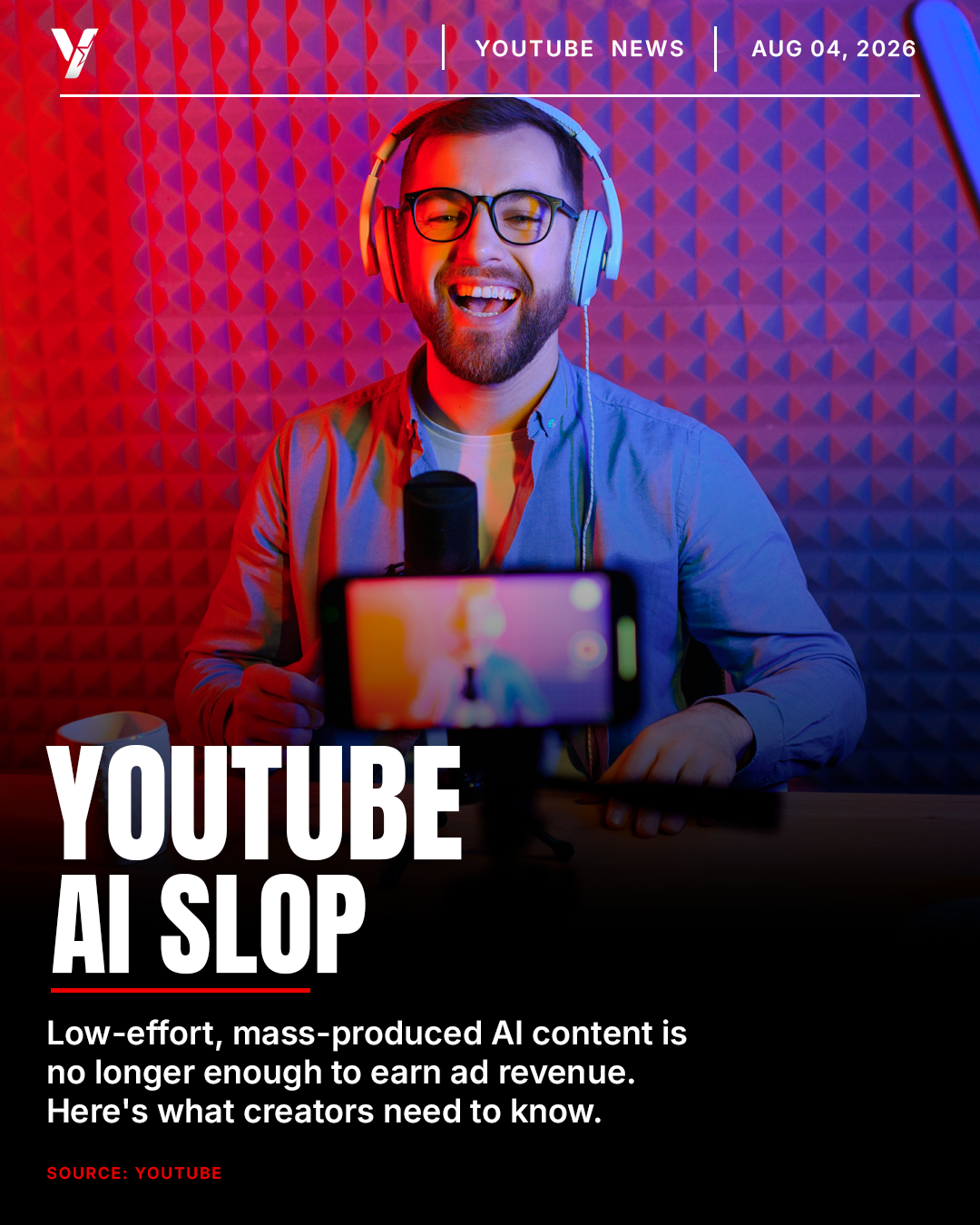
YouTube's crackdown on AI content farms is not just about removing channels after the fact. On July 16, 2026, the platform clarified its Partner Program monetization guidelines to spell out exactly which kinds of videos lose ad eligibility before a channel ever reaches purge territory. The update names three categories of what YouTube calls "inauthentic content," and together they read like a rulebook for the same behavior behind the 130,000-channel cleanup reported earlier this month.
The three categories that lose monetization
- Generic, repetitive, or template-based content: videos built on a template with minimal variation that fail to deliver distinct creative, educational, or other value from one upload to the next.
- Off-putting or distressing content: material designed to manipulate viewers emotionally, such as staged animal-rescue clips, that YouTube says audiences find unappealing rather than valuable.
- AI personas discussing sensitive topics: AI-generated figures presenting themselves as human experts on health, finance, legal, or political matters.
YouTube frames this as a clarification of existing rules rather than a brand-new policy. The Partner Program has long required monetized content to be original and not mass-produced, generic, repetitive, or manipulative. What changed on July 16 is the specificity: creators now have three concrete categories to check their content against instead of a general standard, and using AI tools by itself still does not disqualify a channel. The question YouTube says it is actually asking is whether the final video adds the creator's own original insight or perspective.
“A channel doesn't lose monetization because it used AI. It loses monetization because nothing in the videos was actually its own.”
— YouTubeSkool Creator Economy Desk
How this connects to the 130,000-channel purge
The purge and the monetization policy are two layers of the same enforcement push. The removals in the August report targeted whole networks built for coordinated AI content-farm behavior, taking channels off the platform entirely. The inauthentic content categories work earlier in the pipeline: a channel that stays up and keeps uploading can still lose its ability to earn ad revenue if its videos fall into one of the three buckets, even without triggering a network-level removal. Together they give YouTube two separate levers against the same underlying problem.
What creators should check this week
- Audit recent uploads for near-identical structure, on-screen text, or voiceover across videos, the same pattern that triggers the "generic or template-based" category.
- If any video features an AI-generated persona addressing health, finance, legal, or political topics, make sure it is not presented as a human expert giving that advice.
- Keep raw files, scripts, and edit timelines on hand as proof of original work, useful documentation if a channel is ever flagged and needs to appeal.
- Add a distinct creative or educational angle to templated formats, tutorials, narration videos, faceless channels, rather than letting the template carry the video on its own.
Frequently asked questions
What is "inauthentic content" on YouTube?+
Inauthentic content is YouTube's July 2026 term for three categories of video ineligible for Partner Program monetization: generic or template-based content with minimal variation, off-putting or distressing content designed to manipulate viewers, and AI personas presenting as human experts on health, finance, legal, or political topics.
Does using AI tools disqualify a video from monetization?+
No. YouTube says using AI does not automatically affect monetization eligibility. The focus is on whether a video is original and delivers real value, not on which tools were used to make it. A channel becomes ineligible when its videos fall into one of the three inauthentic content categories, regardless of whether AI, CGI, or templates were involved.
How does this policy relate to YouTube's AI slop channel purge?+
They target the same problem at different points. The channel purge removed roughly 130,000 channels outright for coordinated AI content-farm behavior. The inauthentic content categories govern monetization eligibility for channels that stay up, so a channel doesn't need to be removed to lose its ability to earn ad revenue if its videos fall into one of the three buckets.
Get the editing behind every winning video
Free 60-second channel audit, then get your content edited in your chosen style. Trusted by creators who treat YouTube like a business.
Related stories
 Industry
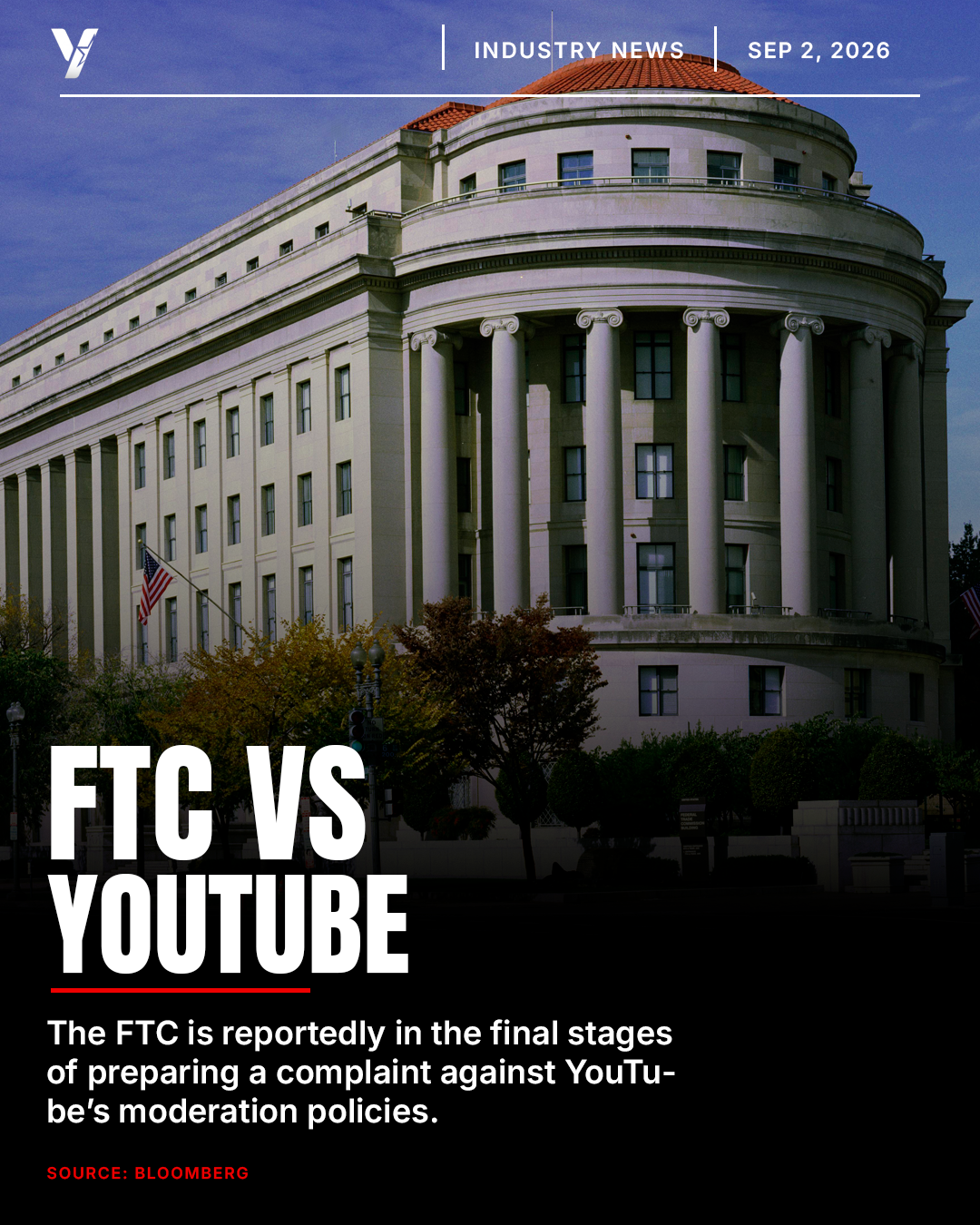
The FTC Is Reportedly Preparing a Complaint Over YouTube's Moderation Policies
Bloomberg reports the FTC is nearing a formal complaint against YouTube, alleging the platform told creators one set of content rules while enforcing a stricter, undisclosed standard behind the scenes.
 Creator News
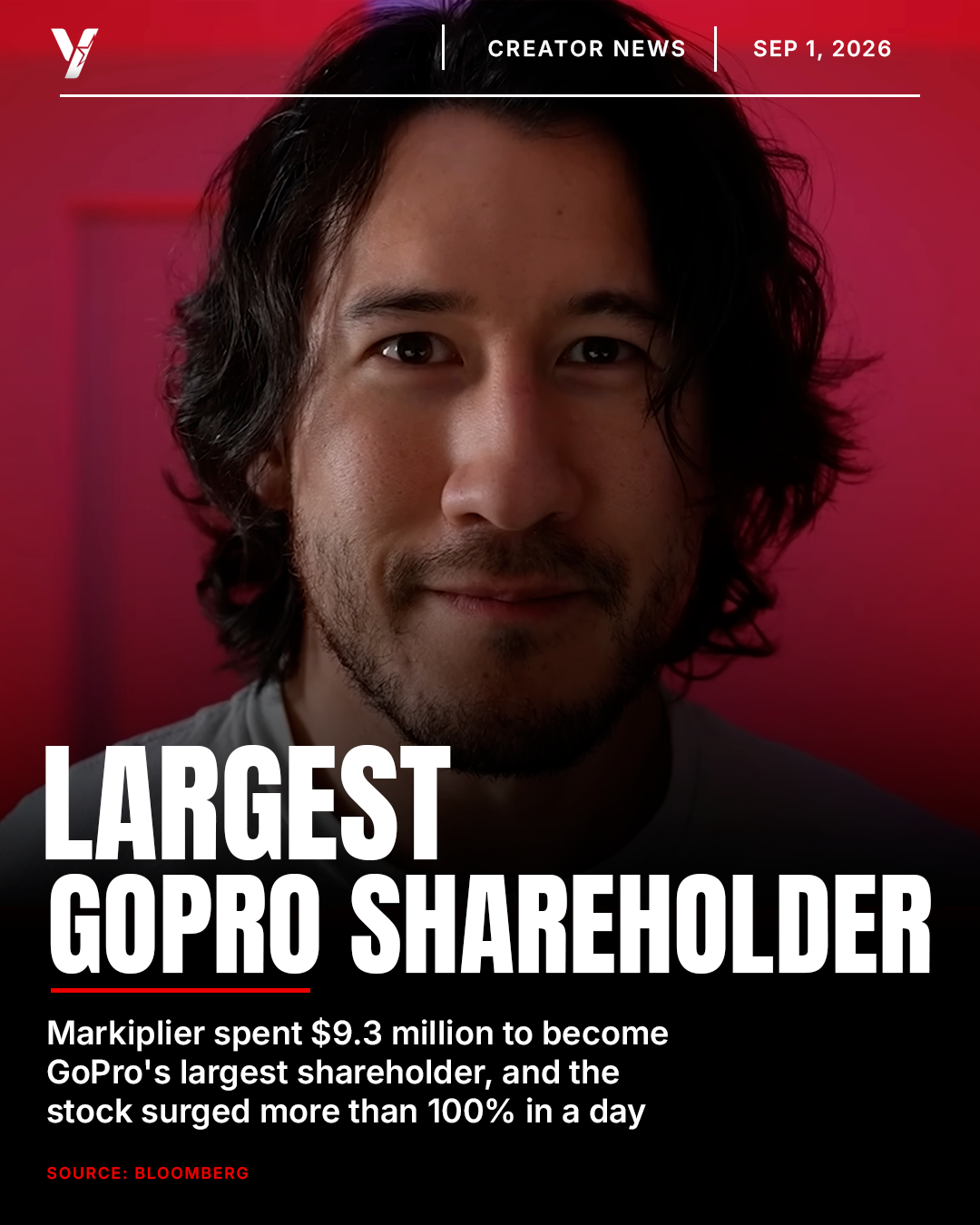
Markiplier Becomes GoPro's Largest Shareholder
Markiplier spent about $9.3 million to become GoPro's largest shareholder, and the stock surged more than 100 percent in a day. Here's what happened and what it means for creators.
 Industry
YouTube Premium Prices Rise Across Europe, and Users Must Opt In by October 10
YouTube Premium prices are rising across Europe and Singapore, but only EU subscribers must actively accept the new price by October 10, 2026 to keep their subscription, a mechanic the April US price hike skipped entirely.