
The FTC Is Reportedly Preparing a Complaint Over YouTube's Moderation Policies
Regulators are reportedly in the final stages of preparing a complaint accusing YouTube of enforcing rules it never disclosed to creators, a theory that could reshape how platforms explain their own bans.
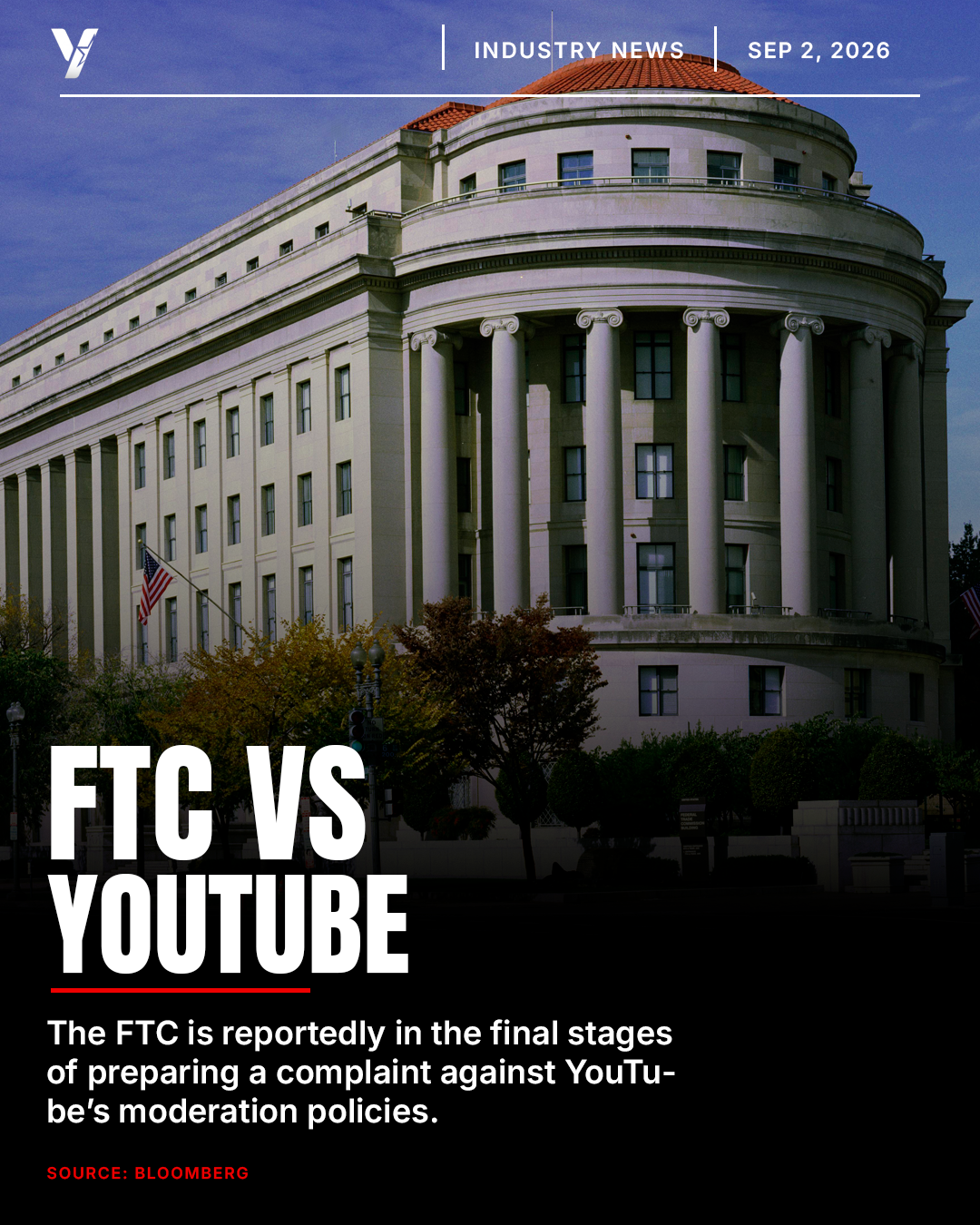
The Federal Trade Commission is reportedly close to filing a complaint against YouTube over how the platform explains, and enforces, its content moderation rules. Bloomberg, citing people familiar with the matter, reported on August 27, 2026, that the agency's Bureau of Consumer Protection is in the final stages of preparing the case. No formal complaint has been filed as of this writing, and YouTube has not been charged with wrongdoing.
What the FTC is reportedly alleging
The core theory is a consumer protection one, not an antitrust or free speech claim. Regulators are examining whether YouTube published content policies that led creators to believe certain videos and topics were permitted, then applied a different, stricter standard in practice, resulting in channel suspensions, video takedowns, and algorithmic demotion. That mismatch between the rules a platform advertises and the rules it actually enforces is the kind of bait-and-switch conduct that falls under the FTC's consumer protection authority.
FTC Chairman Andrew Ferguson addressed the underlying principle publicly at an industry forum in mid-August, before Bloomberg's report: "Whatever your policies are, you have to follow them. You can't present one form of policy to consumers when they're deciding whether to use your platform and then have a completely different one in practice." The Bureau of Consumer Protection, which is leading the matter, is headed by Chris Mufarrige.
What's confirmed, and what's still reported
- Confirmed: the FTC's Bureau of Consumer Protection has an active inquiry into YouTube's moderation practices, and Chairman Ferguson has publicly described the legal theory behind it.
- Reported, not confirmed: that the investigation is in its "final stages" and headed toward a formal complaint. This comes from Bloomberg's sourcing on people familiar with the probe, not an official FTC or YouTube statement.
- Not yet known: whether a complaint will actually be filed, what specific content categories or creator cases it would cite, and whether YouTube would fight it in court or seek a settlement.
YouTube has not publicly commented on the reported investigation.
Why this keeps coming back to two flashpoints
Coverage of the inquiry has repeatedly pointed to the same two content areas: COVID-19 medical claims and political commentary tied to the aftermath of the January 6, 2021 Capitol riot, including election denialism. YouTube tightened enforcement on both topics starting in 2020 and 2021, then rolled back parts of that enforcement in recent years. Creators who were suspended or demonetized under the stricter rules, only to see similar content later allowed under looser ones, are the pattern regulators appear to be scrutinizing.
“A platform's terms of service aren't just legal boilerplate. If enforcement doesn't match what's written, that gap is exactly where regulators start looking.”
— YouTubeSkool Industry Desk
Who this affects, and what could change
Any creator who has appealed a strike, suspension, or demonetization decision by pointing to YouTube's own written policy has effectively been making the same argument the FTC is reportedly building into a legal case. If a complaint is filed and YouTube doesn't settle, the case could work through the FTC's administrative process or federal court, and legal analysts have noted it may also touch on how far Section 230 protections extend when a platform's enforcement diverges from its stated rules. None of that changes how strikes or appeals work today, but it raises the stakes on YouTube clearly documenting why a specific video or channel was actioned.
What creators should do now
- Keep records of the specific policy language in effect when a strike, suspension, or demonetization happened, screenshots of Community Guidelines pages are useful if a rule is later revised.
- Don't expect immediate changes to enforcement or appeals, no formal complaint has been filed and any legal process would take months at minimum.
- Watch for an official FTC announcement or YouTube statement rather than reacting to the reported "final stages" timeline, which could still shift.
What's next
The next concrete milestone is whether the FTC actually files a complaint. Until then, this remains a reported investigation, not a lawsuit. YouTubeSkool will follow up if the FTC issues a formal complaint, if YouTube responds publicly, or if enforcement policies change as a result.
Frequently asked questions
Has the FTC filed a lawsuit against YouTube?+
No. As of this report, the FTC has not filed a formal complaint. Bloomberg reported the agency is in the final stages of preparing one, based on people familiar with the investigation, but that is not confirmed by an official FTC statement.
What is the FTC reportedly investigating YouTube for?+
Whether YouTube's published content moderation policies matched what it actually enforced. The theory is that creators were told certain content was allowed, then had videos removed or channels suspended under a stricter, undisclosed standard, a potential violation of consumer protection law.
What content topics are involved?+
Reporting has focused on YouTube's historical enforcement around COVID-19 medical misinformation and political content related to the 2021 Capitol riot and election denialism, areas where YouTube tightened rules and later loosened them.
Does this affect current YouTube strikes or appeals?+
Not directly, and not yet. No formal complaint has been filed, so today's Community Guidelines enforcement and appeals process are unchanged. Creators should still document the specific policy in effect at the time of any strike.
Get the editing behind every winning video
Free 60-second channel audit, then get your content edited in your chosen style. Trusted by creators who treat YouTube like a business.
Related stories
 Creator News
YouTube Gives Creators Four Ways to Fight AI Likeness Claims
YouTube renamed its Copyright menu to "Claims" and added four dispute categories for AI likeness complaints that block creator videos.
 Creator News
YouTube Terminates Major ASMR Channels Over Its Sexual Content Linking Policy
YouTube terminated several long running ASMR channels in late July 2026 for violating its external link policy, pointing to links leading to sexual content on other platforms. Here is what happened, why creators were caught off guard, and what the enforcement means for the wider ASMR community.
 Creator News
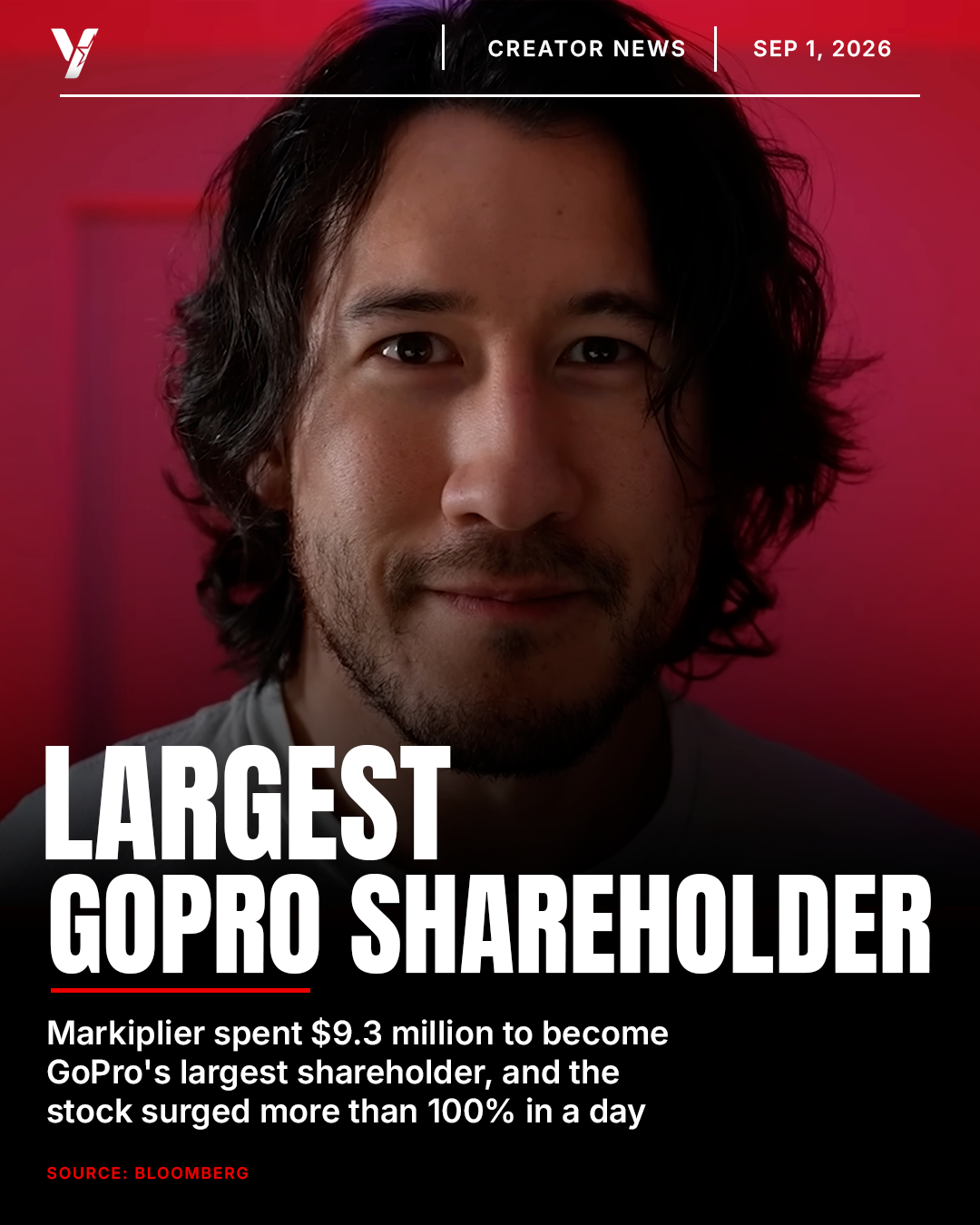
Markiplier Becomes GoPro's Largest Shareholder
Markiplier spent about $9.3 million to become GoPro's largest shareholder, and the stock surged more than 100 percent in a day. Here's what happened and what it means for creators.