
Razer Acquires StreamElements, Rescuing It From a Possible Shutdown
The hardware brand bought the streaming toolkit's business assets months after its founder publicly begged the community to help keep the platform alive.
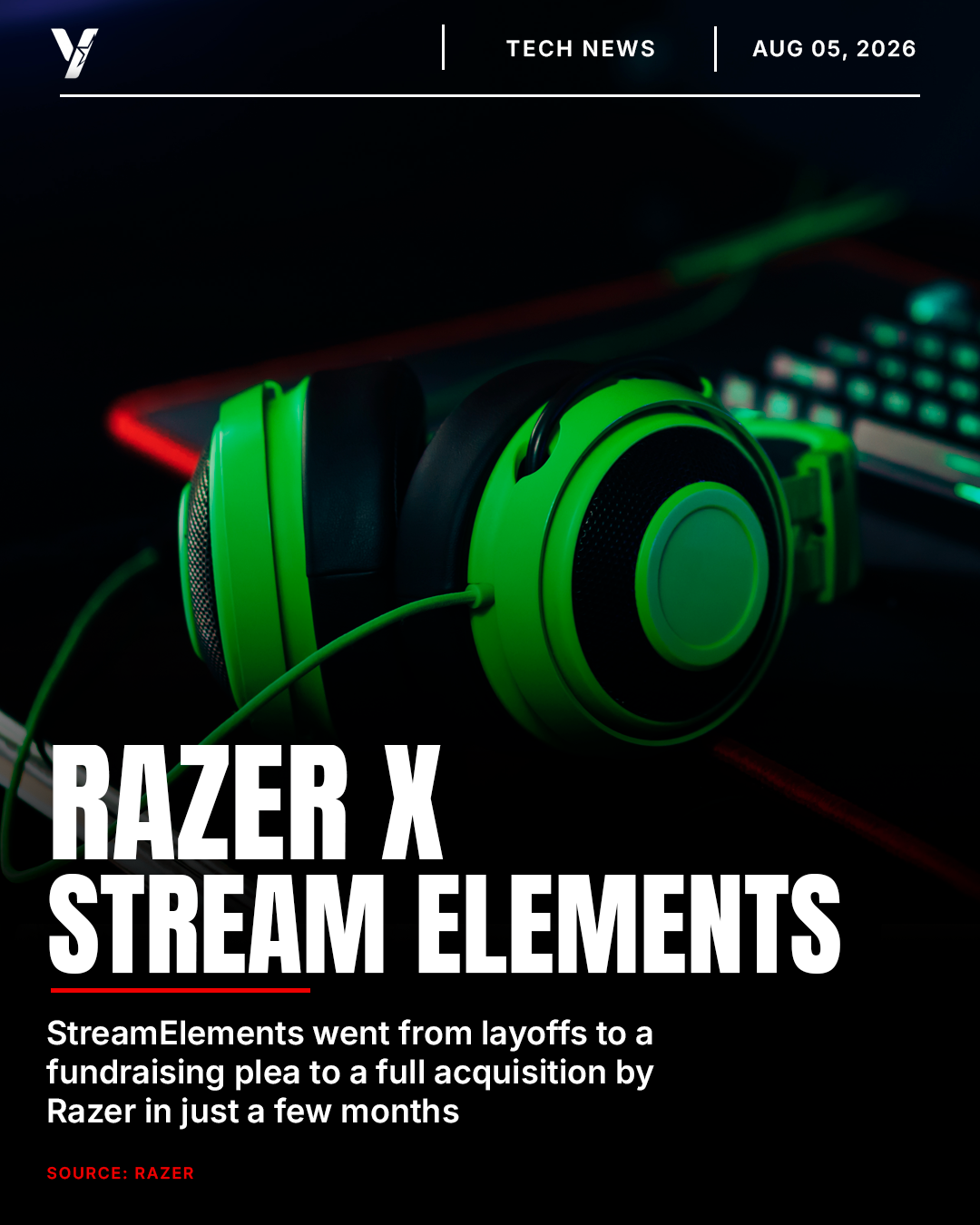
Razer announced on July 31, 2026 that it has acquired the business assets behind StreamElements, the streaming dashboard millions of creators use to run overlays, tip jars, and chatbots on Twitch and YouTube. The deal follows Razer purchasing substantially all of StreamElements' assets, including its intellectual property, platform data, and business records, from previous owner Live Momentum Ltd, for a sum neither company disclosed.
A rescue as much as an acquisition
This deal lands only months after StreamElements looked like it might disappear entirely. The platform went through multiple rounds of layoffs earlier in 2026, and by May the situation had become dire enough that founder Or Perry launched a public fundraising push, asking the community directly to help keep the service running. Razer stepping in with an acquisition four months later turns what looked like a slow shutdown into a takeover by a company with the resources to keep the product alive.
What StreamElements brings to Razer
StreamElements' dashboard covers stream overlays, virtual tip jars, chatbots, sponsorship management, analytics, and marketing tools for creators broadcasting on platforms including Twitch and YouTube. Razer has described the user base in the millions, and StreamElements has previously cited around 2.6 million daily creators using its tools.
Razer's chief executive framed the deal as an extension of what the company already offers creators: hardware to stream with, paired now with the software that runs the stream itself and the programs meant to help creators grow, according to the company's official announcement.
What changes and what stays the same
- StreamElements will keep operating as a standalone platform under a Razer subsidiary, with its existing brand, team, and product roadmap intact, according to Razer's acquisition FAQ.
- SEPay, StreamElements' built in tipping and payment service, is being sunset. Creators can withdraw existing balances through December 31, 2026.
- Payment processing is moving to PayPal starting in 2027, replacing SEPay going forward.
- No changes to the rest of the product suite, overlays, chatbots, analytics, and sponsorship tools, have been announced.
Why this matters beyond StreamElements
StreamElements' near collapse and rescue is a live example of how concentrated the creator tools market has become. A platform serving millions of daily creators went from layoffs to a public appeal for survival to an acquisition in the span of a few months, which shows how quickly infrastructure creators depend on can become financially unstable even at real scale. For creators building a workflow around any single third party tool, this is a reminder that the tool's business health matters as much as its feature set.
“A creator tool with millions of daily users almost didn't survive 2026 on its own. That is the real headline here, not just who bought it.”
— YouTubeSkool Creator Economy Desk
What creators using StreamElements should do
- Withdraw any SEPay balance before the December 31, 2026 deadline, or confirm a plan to migrate it, rather than leaving funds sitting in a service being sunset.
- Watch for setup instructions once PayPal processing goes live in 2027, since payout routing will change even if nothing else in the workflow does.
- Treat the standalone operating structure as reassurance for now, not a permanent guarantee. Acquired platforms can still change roadmaps later, so it is worth keeping a backup plan for overlays, alerts, and chatbot configuration.
- Diversify tooling dependencies where practical. This acquisition worked out for StreamElements users, but the fundraising scare earlier in the year is proof that single vendor dependency carries real risk.
Razer picking up StreamElements closes one chapter of instability, but the sunset of SEPay and the shift to a new payment processor are proof that even a rescued platform still comes with changes creators need to track.
Frequently asked questions
Did Razer acquire StreamElements?+
Yes. Razer announced on July 31, 2026 that it acquired substantially all of the business assets used to run StreamElements, including its intellectual property, platform data, and business records, from previous owner Live Momentum Ltd.
Is StreamElements shutting down?+
No. StreamElements will continue operating as a standalone platform under a Razer subsidiary, keeping its existing brand, team, and product roadmap, according to Razer's acquisition FAQ.
What is happening to SEPay?+
SEPay, StreamElements' built in tipping service, is being sunset. Creators can withdraw their existing balances through December 31, 2026, and payment processing is moving to PayPal starting in 2027.
Why did Razer buy StreamElements?+
StreamElements had gone through multiple rounds of layoffs and a public fundraising appeal from its founder in May 2026 after facing a possible shutdown. Razer's acquisition folds the platform into its creator ecosystem, which already spans streaming hardware and creator programs.
Get the editing behind every winning video
Free 60-second channel audit, then get your content edited in your chosen style. Trusted by creators who treat YouTube like a business.
Related stories
 Industry
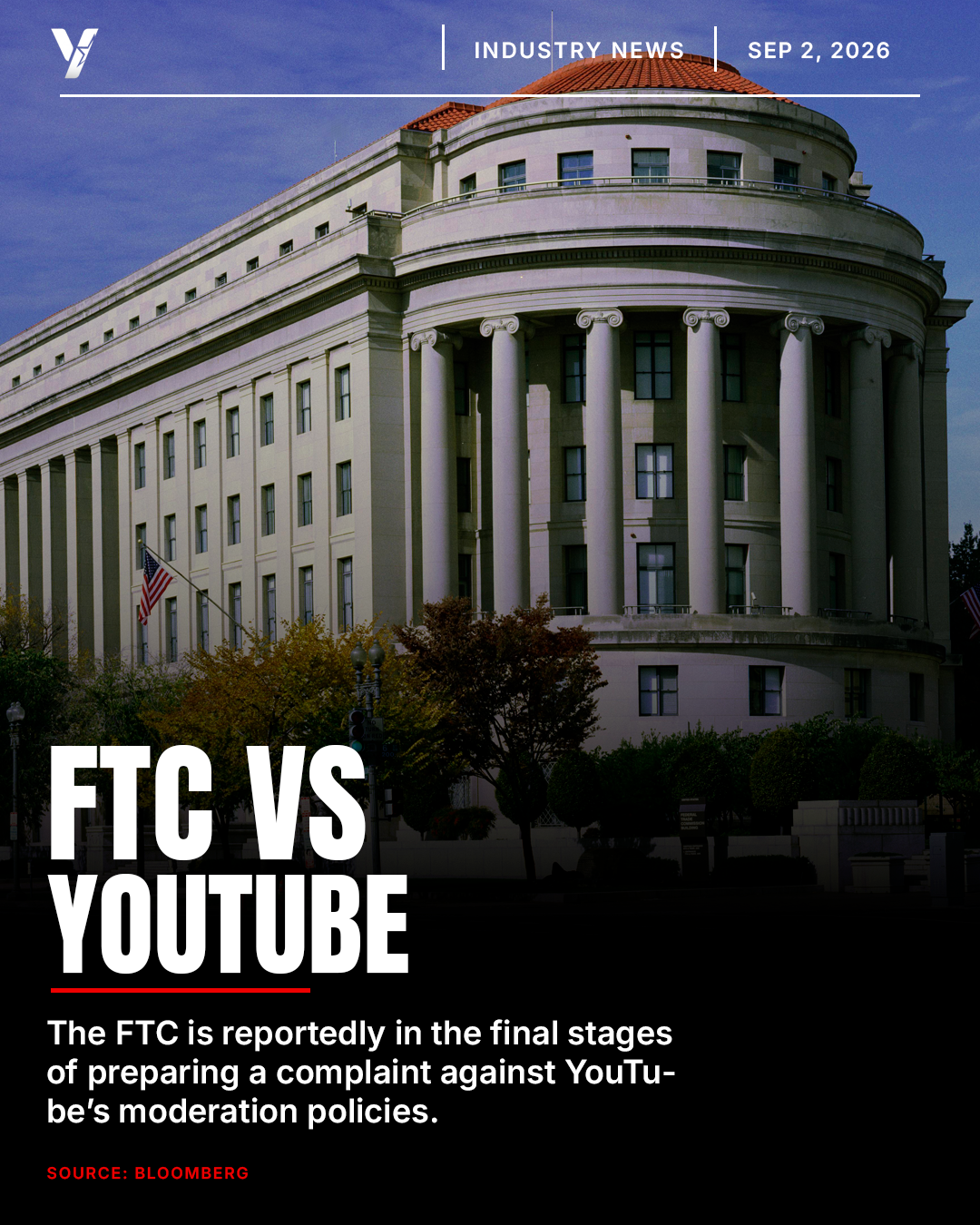
The FTC Is Reportedly Preparing a Complaint Over YouTube's Moderation Policies
Bloomberg reports the FTC is nearing a formal complaint against YouTube, alleging the platform told creators one set of content rules while enforcing a stricter, undisclosed standard behind the scenes.
 Creator News
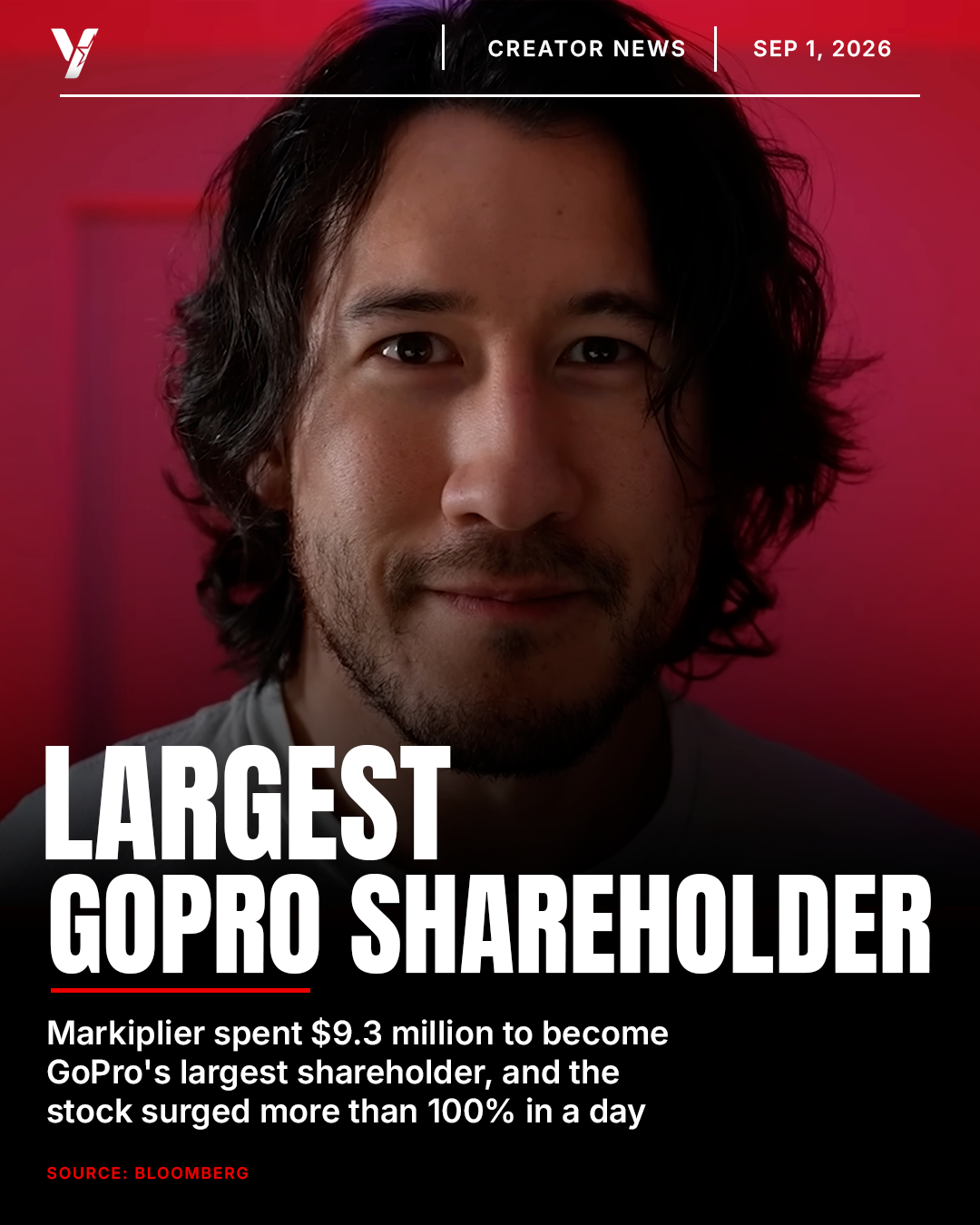
Markiplier Becomes GoPro's Largest Shareholder
Markiplier spent about $9.3 million to become GoPro's largest shareholder, and the stock surged more than 100 percent in a day. Here's what happened and what it means for creators.
 Industry
YouTube Premium Prices Rise Across Europe, and Users Must Opt In by October 10
YouTube Premium prices are rising across Europe and Singapore, but only EU subscribers must actively accept the new price by October 10, 2026 to keep their subscription, a mechanic the April US price hike skipped entirely.