
YouTube Changes How Views Are Counted Starting Aug. 24
Starting August 24, 2026, a view counts the instant a video starts playing, with no minimum watch time, across long-form, Shorts, and live.
What's Changing
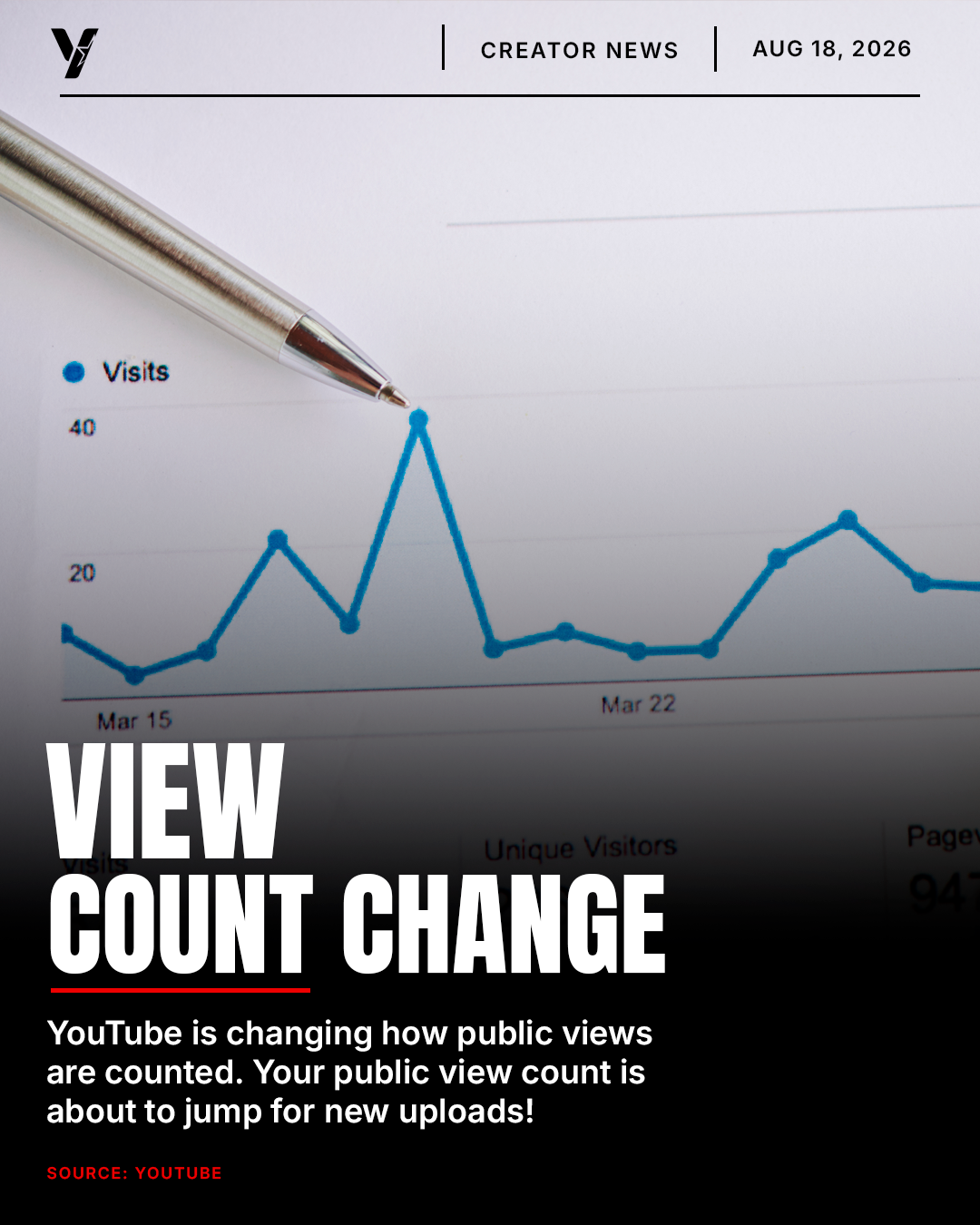
YouTube confirmed on August 17 that it is changing the definition of a public view. Starting August 24, 2026, a view registers the moment a video begins to play, with no minimum watch time required. The change applies across every format on the platform: long-form video, Shorts, and live streams.
Until now, YouTube used an undisclosed threshold before a play counted as a public view, and that threshold varied by format. TeamYouTube said the goal is to standardize views across formats and give creators an accurate picture of their exposure, making it easier to show their value to brand partners. The announcement points to a support thread on Google's help center for the full rollout details.
Why YouTube Is Standardizing Views
The gap between formats has bothered creators for years. A Short and a 20 minute video have never been judged by the same yardstick, and neither of those tracked exposure the same way a livestream did. By counting a view from the first frame everywhere, YouTube is aligning its own numbers with how TikTok and Instagram Reels already count plays, from the moment content starts, not after a viewer sticks around.
- Long-form video (VOD): view counts from the first frame, no threshold
- Shorts: view counts from the first frame, no threshold
- Live streams: view counts from the first frame, no threshold
The result is a single, consistent rule across the entire platform, instead of three separate systems creators had to mentally translate between.
What Won't Change
YouTube was explicit that this update won't touch the numbers that actually pay creators. Two systems stay untouched:
- Creator earnings: monetization continues to run on engaged watch hours and engaged Shorts views, not the public view counter
- YouTube Partner Program eligibility: this update does not change YPP thresholds. Separately, YouTube already announced new applicants will need 8,000 qualified watch hours or 20 million qualified Shorts views starting February 1, 2027, a policy announced earlier in August and unrelated to this view counting change
- Engaged views: creators who want a duration weighted measure of genuine viewer retention can still find it in YouTube Studio's Analytics, under Advanced Mode
In short, the public view count becomes a looser, more visible exposure metric, while the metrics tied to money and program eligibility stay exactly where they were.
Old Videos Keep Their Old Numbers
The new counting method only applies going forward. Videos uploaded on or after August 24 use the first frame system immediately. Anything uploaded before that date keeps its existing public view total, and YouTube is not recalculating historical views retroactively.
That creates a visible split in every channel's upload history: a jump in the counting method sitting right in the middle of a creator's catalog, with older videos measured one way and newer ones measured another.
What Creators Should Do Now
This is a definitional change, not a growth hack, and treating it like one is the fastest way to misread your own channel.
- Keep pitching brands and sponsors with Engaged views and watch hours, not the public view count, since the count is about to get inflated for anything posted after August 24
- Expect a visible jump in public views for new uploads starting August 24 and don't mistake it for a real audience spike
- Flag the change to your team or agency now so nobody panics, or celebrates, over a number that moved for reasons that have nothing to do with content performance
- Watch for how the update interacts with the tighter YouTube Partner Program requirements taking effect February 1, 2027, since both changes touch how real exposure gets measured
“A bigger view counter isn't a bigger audience. The metrics that pay creators haven't moved an inch, only the one on the surface has.”
— YouTubeSkool Creator Economy Desk
The Bigger Picture
YouTube's framing, standardizing views to reflect creators' true exposure, is really about competitive parity. TikTok and Instagram Reels have counted plays from the first frame for years, and YouTube's stricter, watch time gated system made its numbers look smaller by comparison, even when the actual audience was just as engaged. Closing that gap makes YouTube's view counts easier to put next to a TikTok view count in the same brand deck.
It also raises the bar for skepticism. A metric with no minimum watch time is easier to inflate, whether through bots, autoplay, or accidental taps, which is exactly why Engaged views and Engaged watch hours are staying in place as the metrics that actually determine pay and program eligibility. Creators who lean on those numbers instead of the headline view count will have a clearer, more defensible read on how their content is actually performing.
The Bottom Line
Starting August 24, YouTube's public view count means something different than it did the day before. It's a broader, looser measure of exposure, useful for a quick read on reach, but not a substitute for Engaged views and watch hours when real decisions, pay, partnerships, and Partner Program eligibility, are on the line.
Frequently asked questions
When does YouTube's new view counting system start?+
The change takes effect August 24, 2026, and applies to videos, Shorts, and live streams uploaded from that date forward.
Will this change how much money creators earn?+
No. YouTube says monetization continues to run on Engaged watch hours and Engaged Shorts views, not the public view count, so earnings aren't affected by this update.
Does the new rule apply to videos already uploaded?+
No. Existing videos keep their current public view totals. YouTube is not recalculating past views under the new system, only content uploaded on or after August 24, 2026 uses it.
How is a view counted differently now?+
A view now registers the instant a video begins to play, with no minimum watch time required. Previously, YouTube applied an undisclosed watch time threshold before a play counted as a public view.
Does this affect YouTube Partner Program eligibility?+
No, this specific update doesn't change YPP eligibility. Separately, YouTube has already announced that new applicants will need 8,000 qualified watch hours or 20 million qualified Shorts views starting February 1, 2027, but that policy was announced earlier in August and is unrelated to this view counting change.
How can creators still track genuine audience retention?+
The Engaged views metric, available in YouTube Studio's Analytics under Advanced Mode, remains a duration weighted measure that reflects real viewer retention, unlike the public view count.
Get the editing behind every winning video
Free 60-second channel audit, then get your content edited in your chosen style. Trusted by creators who treat YouTube like a business.
Related stories
 Monetization
YouTube Doubles Partner Program Requirements for 2027
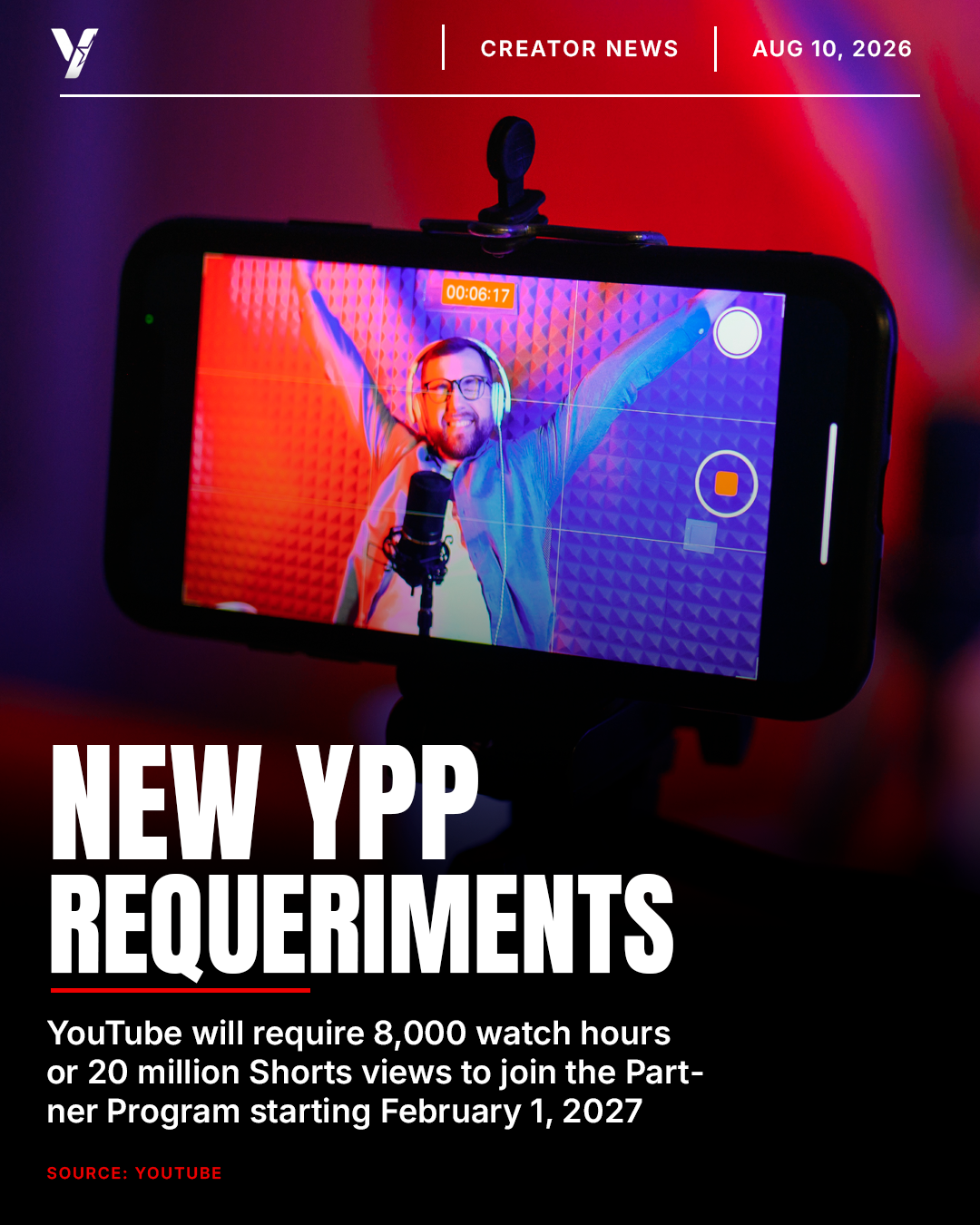
YouTube will require 8,000 watch hours or 20 million Shorts views to join the Partner Program starting February 1, 2027, twice today's bar.
 Industry
The FTC Is Reportedly Preparing a Complaint Over YouTube's Moderation Policies
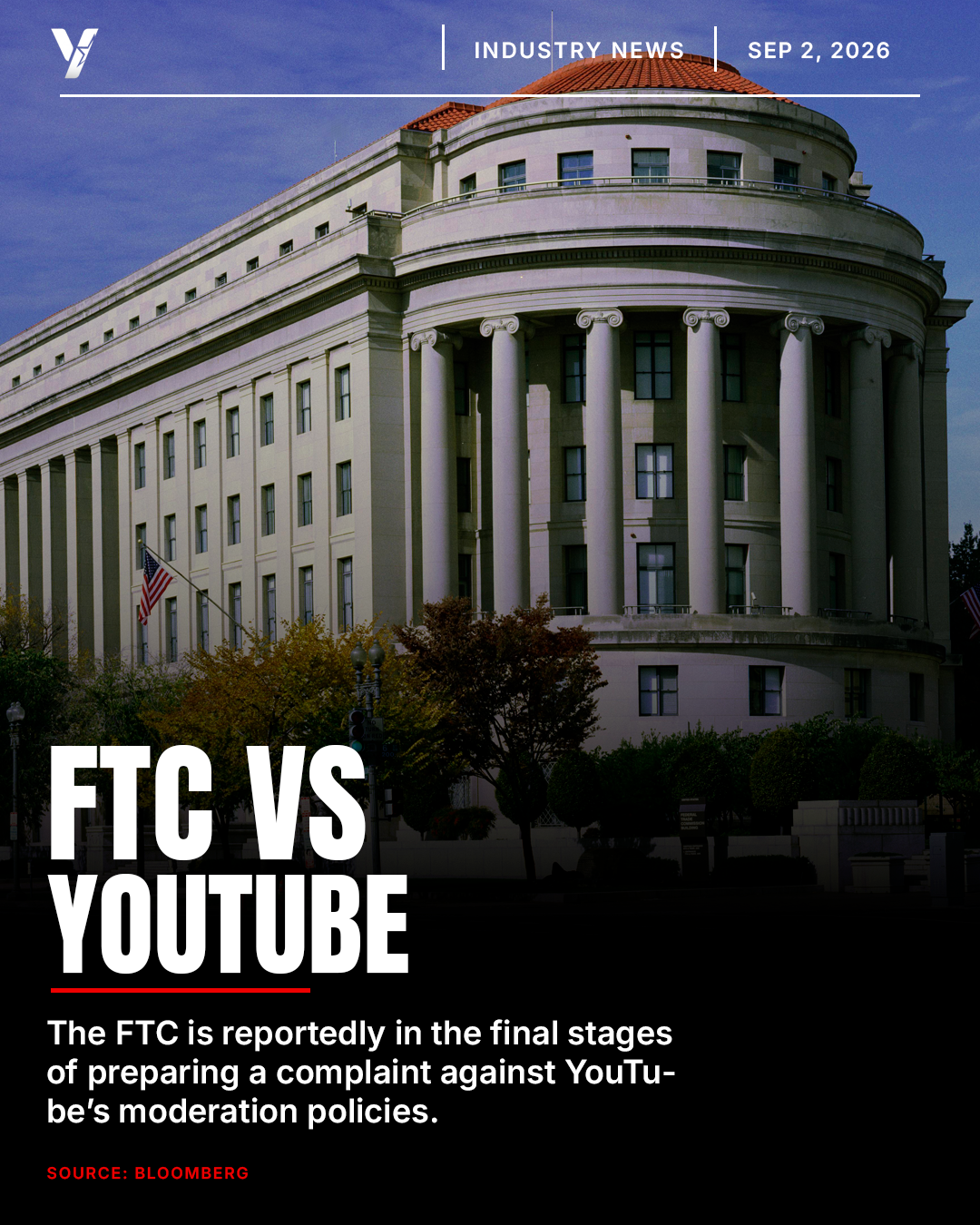
Bloomberg reports the FTC is nearing a formal complaint against YouTube, alleging the platform told creators one set of content rules while enforcing a stricter, undisclosed standard behind the scenes.
 Creator News
Markiplier Becomes GoPro's Largest Shareholder
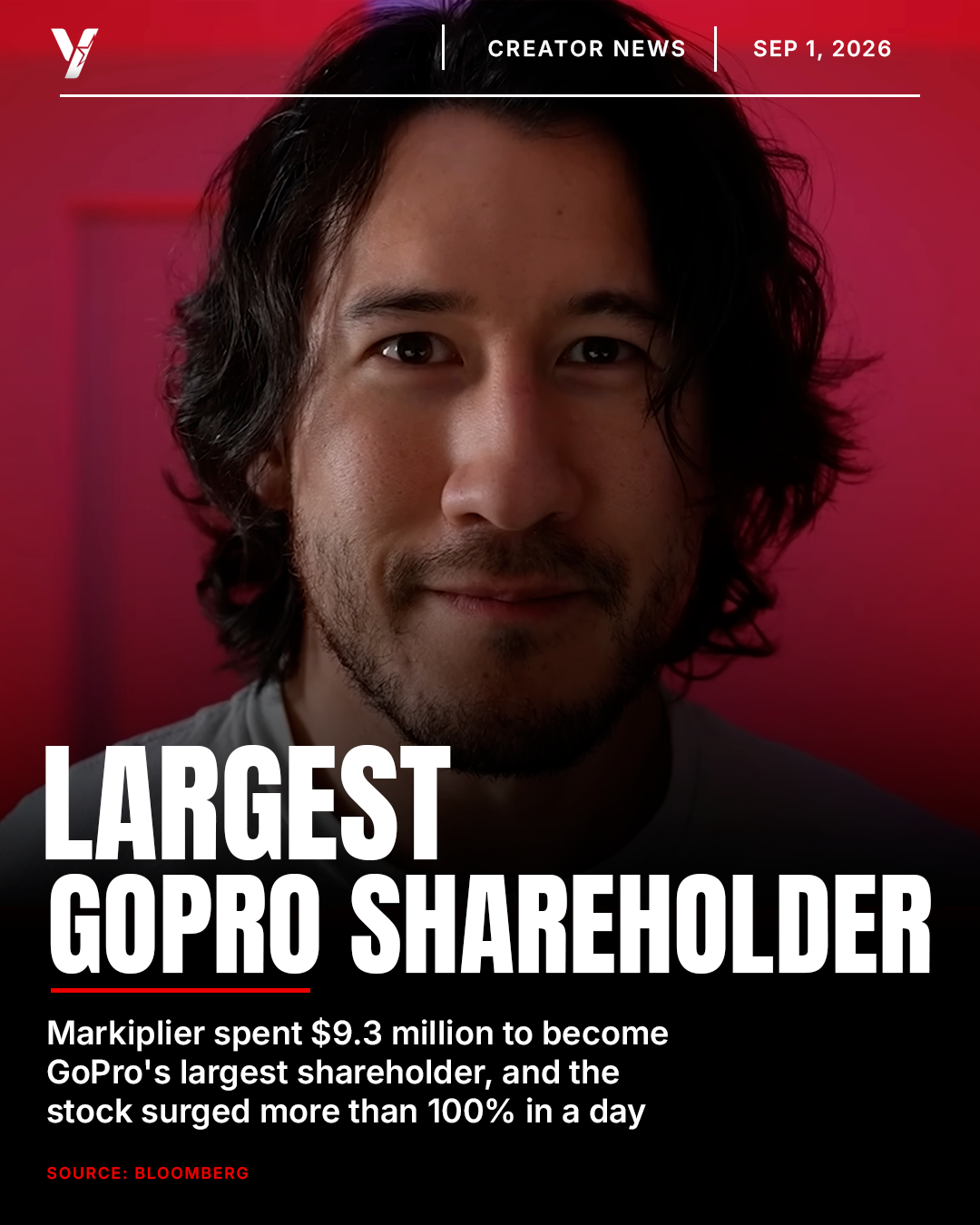
Markiplier spent about $9.3 million to become GoPro's largest shareholder, and the stock surged more than 100 percent in a day. Here's what happened and what it means for creators.